 LinkedIn
 Google Scholar
 X
X

Latent Diffusion U-Net Representations Contain Positional Embeddings and Anomalies
We analyze popular Stable Diffusion models using representational similarity and norms. Our findings reveal three phenomena: (1) the presence of a learned positional embedding in intermediate representations, (2) high-similarity corner artifacts, and (3) anomalous high-norm artifacts.



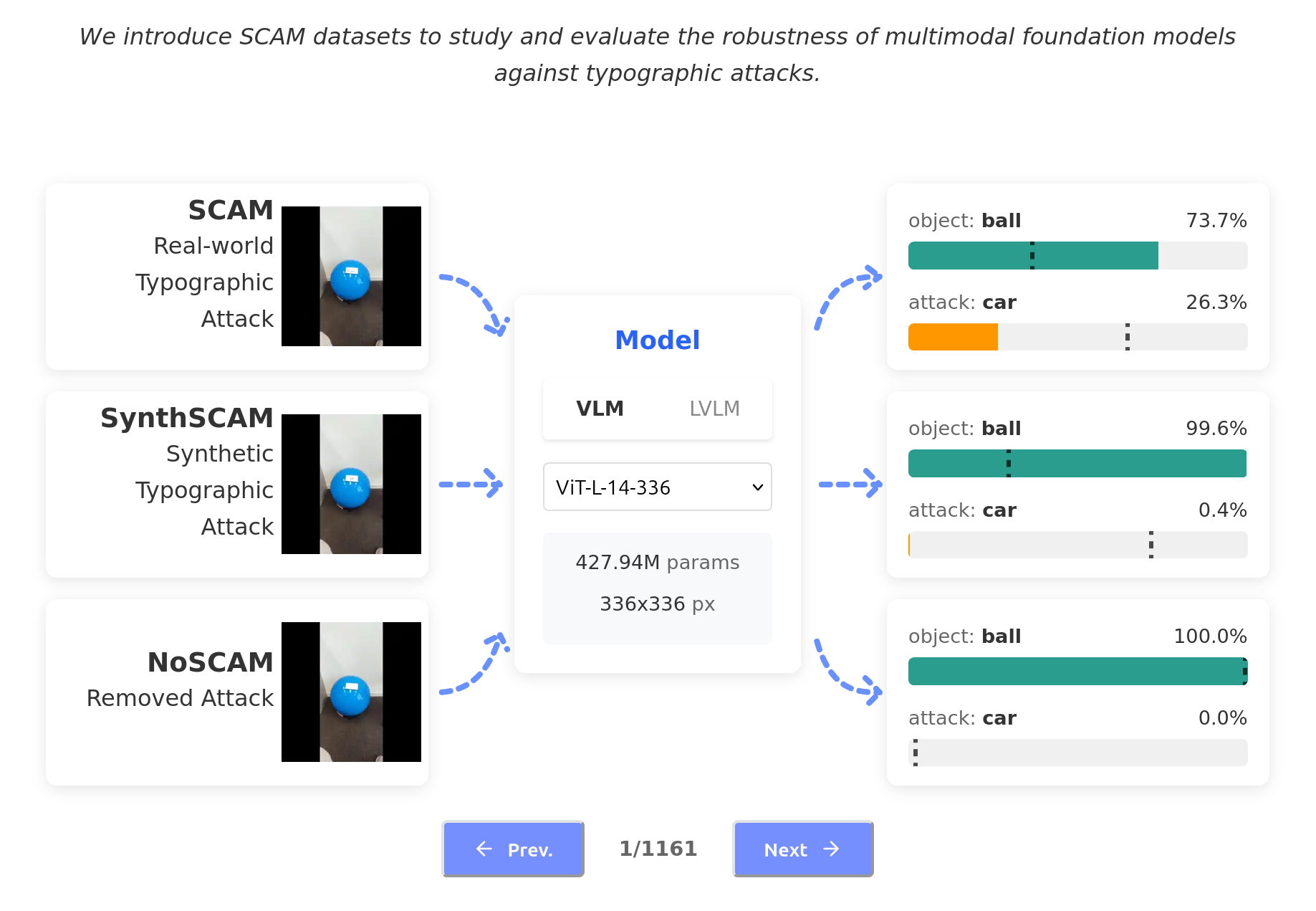
SCAM - typographic attack dataset
We introduce SCAM, a typographic attack dataset for evaluating the robustness of (large) vision language models. Additionally, we evaluate popular models on the dataset, showing their susceptibility to typographic attacks.


Master's Thesis: An Analysis of Representation Similarities in Latent Diffusion Models
My master's thesis investigates the properties of diffusion model representations and their similarities, revealing biases such as sensitivity to absolute image positions and anomalies with high representation norms. The representation similarity explorer and the sdhelper library came out of this work.

Blog: How to run Qwen3.8 27B at 30+ tokens/s on a base M5 MacBook
With tree-based speculative decoding, Qwen3.8-27B runs at 28 to 61 instead of about 8 tokens per second on a base M5 MacBook Pro. The post explains how this works, from token-by-token decoding to custom Metal kernels for 4-bit matmul and tree attention. The repository ships an interactive chat CLI and an OpenAI-compatible server.

Ring Neural Networks
An experimental neural network architecture where weights and activations are angles on a ring instead of cartesian coordinates, naturally represented by integers with overflow. Neurons rotate their inputs and aggregate them as unit vectors, replacing dot products. Includes a custom fixed-point autograd and a CUDA-accelerated PyTorch implementation.

Recalibrating Pythia from RoPE to PoPE
We patch pretrained Pythia models to use Polar Coordinate Positional Embeddings (PoPE) instead of RoPE and recalibrate on ~2% of the pretraining budget. After recalibration, PoPE matches RoPE perplexity at the training sequence length while generalizing much better to longer contexts.

DroPE Replication with Pythia
A replication of DroPE with Pythia models: rotary positional embeddings (RoPE) are patched to a no-op, followed by recalibration on The Pile for ~2% of the pretraining budget. While recalibration doesn't fully recover the original perplexity, models without RoPE generalize notably better to longer contexts.

STATIC: a 3D game rendered entirely as noise
A 3D browser game whose world is rendered entirely as noise, so any frozen frame is indistinguishable from TV static. The noise moves along the true optical flow, so enemies, projectiles, and camera motion pop out of the static through human motion perception. Built with Bevy and compiled to WebAssembly.

SD Representation Similarity Explorer
An advanced interactive visualization tool for exploring representation similarities in text-to-image diffusion models. Expanding on the capabilities of the H-Space Similarity Explorer, this project offers additional features for understanding diffusion model representations.

sdhelper
A Python helper package for working with Stable Diffusion models that enables easy extraction of U-Net and transformer representations. sdhelper provides a simple interface to load models, generate images, and analyze internal representations, supporting various models including SD1.x, SD2.x, SDXL, and FLUX.

BibTeX to Hayagriva Converter
A webapp to convert BibTeX bibliographies into the Hayagriva YAML format used by Typst. The conversion runs entirely in the browser, using a WebAssembly build of the hayagriva Rust library.

Discovering Interpretable Directions in the Semantic Latent Space of Diffusion Models
An unofficial implementation of the paper "Discovering Interpretable Directions in the Semantic Latent Space of Diffusion Models". This project explores and visualizes meaningful directions in the latent space of diffusion models.

H-Space Similarity Explorer
A simple interactive visualization tool for exploring representation similarities in text-to-image diffusion models. This web-based application allows to analyze how different concepts are represented within the internal diffusion model representations.

Rover (ERC 2023 & 2024)
At the student space club BEARS, we build a rover for the simulated Mars yard at the annual European Rover Challenge. In 2024, we won the 7th place of 27 teams and the best Navigation (Droning) and best Science (Geological Exploration) awards!

TrainPlot
A Python library for real-time visualization of ML training metrics in Jupyter notebooks. TrainPlot enables machine learning engineers to monitor training progress through dynamic, interactive plots, making it easier to detect and respond to training issues early.
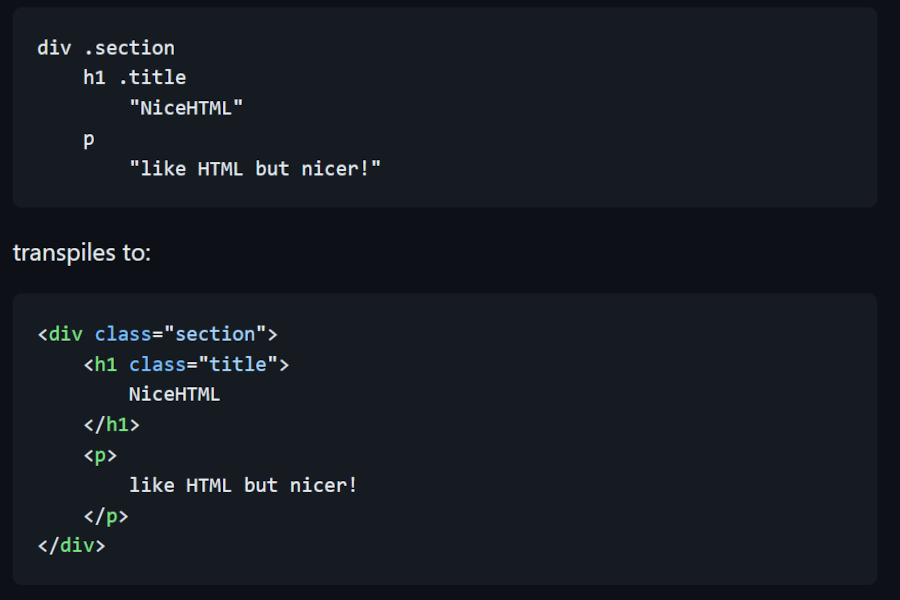
NiceHTML
A simple HTML alternative demoing an intuitive and streamlined alternative syntax for web development. NiceHTML reduces boilerplate code and improves readability while maintaining full compatibility with standard HTML, making web development more efficient and enjoyable.
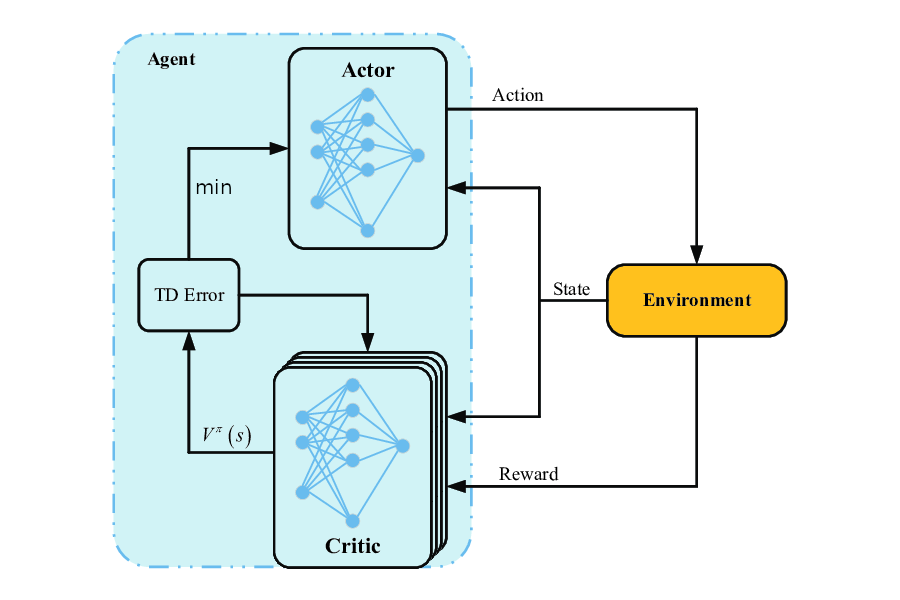
Blog: Offline RL with Diversified Q-Ensemble
An in-depth exploration of state-of-the-art approaches in offline reinforcement learning. This blog post analyzes SAC-N and EDAC algorithms, focusing on their innovative use of multiple critics to address the critical challenge of action-value overestimation in offline RL settings.
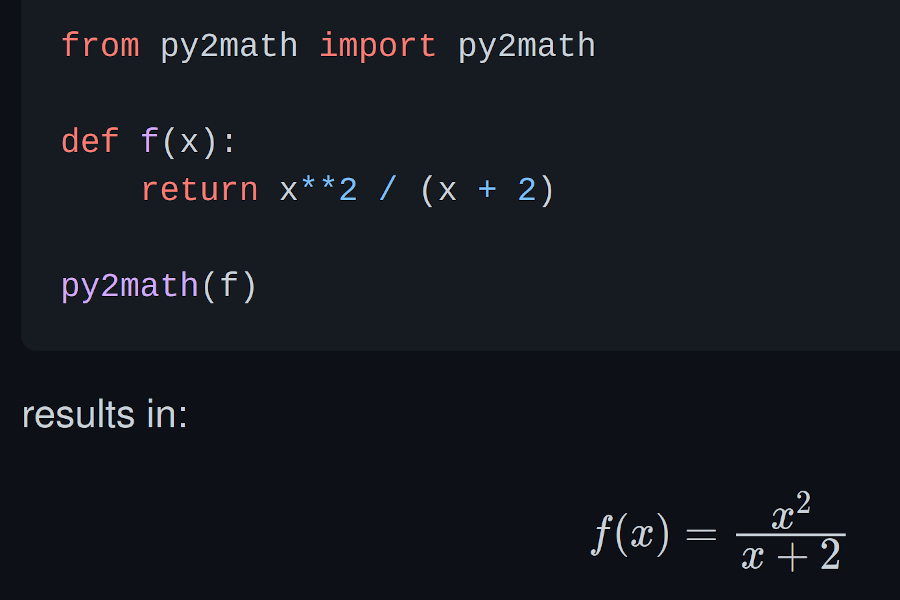
py2math
A small Python utility that automatically converts Python objects into LaTeX mathematical notation. Designed specifically for Jupyter notebooks, py2math streamlines the process of displaying mathematical expressions in a clean, professional format.
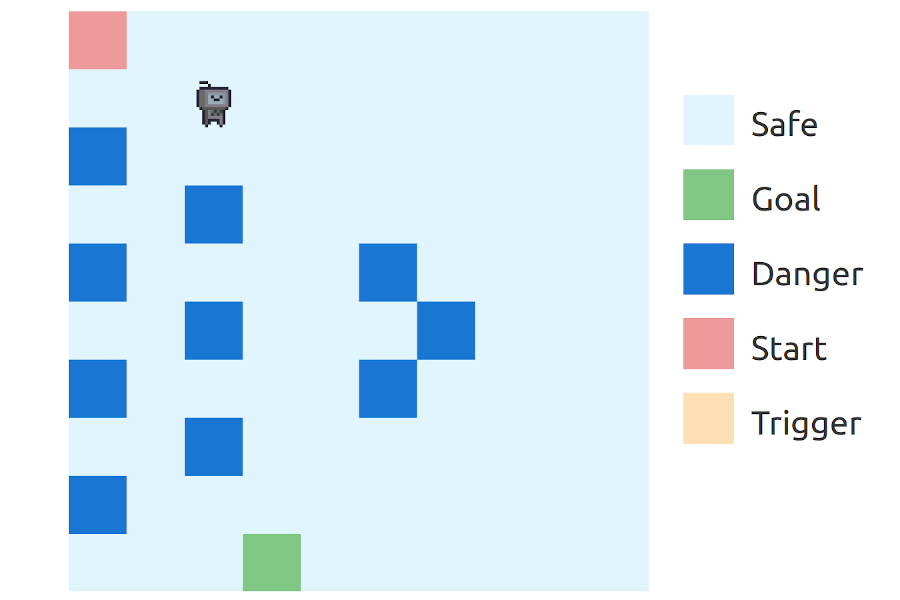
Blog: Safe Training in Reinforcement Learning
A comprehensive, interactive guide to curriculum induction in reinforcement learning. This blog post explores how progressive learning strategies can enhance training safety and efficiency in RL systems through hands-on examples and visualizations.
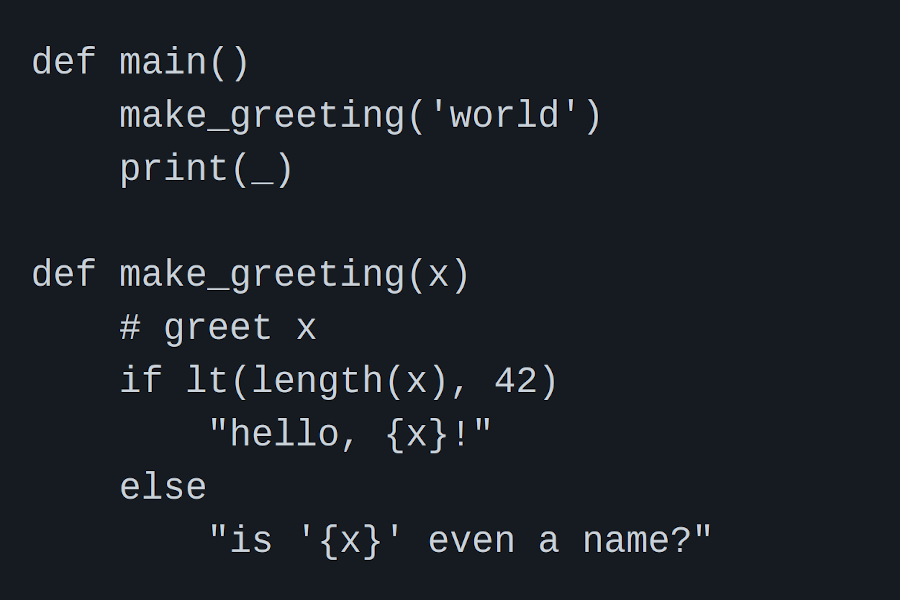
Simple Toy Language
An educational implementation of a programming language parser and interpreter. This project demonstrates fundamental concepts of language design and compilation, serving as both a learning tool and a foundation for more complex language development.
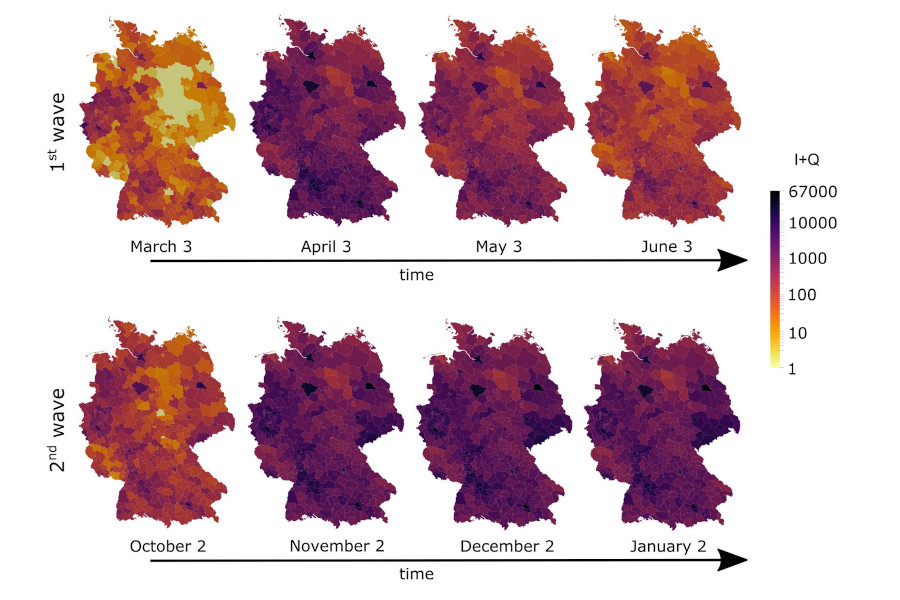
Spatiotemporal modeling of first and second wave outbreak dynamics of COVID-19 in Germany
In this paper, we model the spatiotemporal dynamics of COVID-19 in Germany using a reparameterized SIQRD network model. It accurately predicts county-level infections and deaths, helping to identify effective measures and support local decision-making during the pandemic.
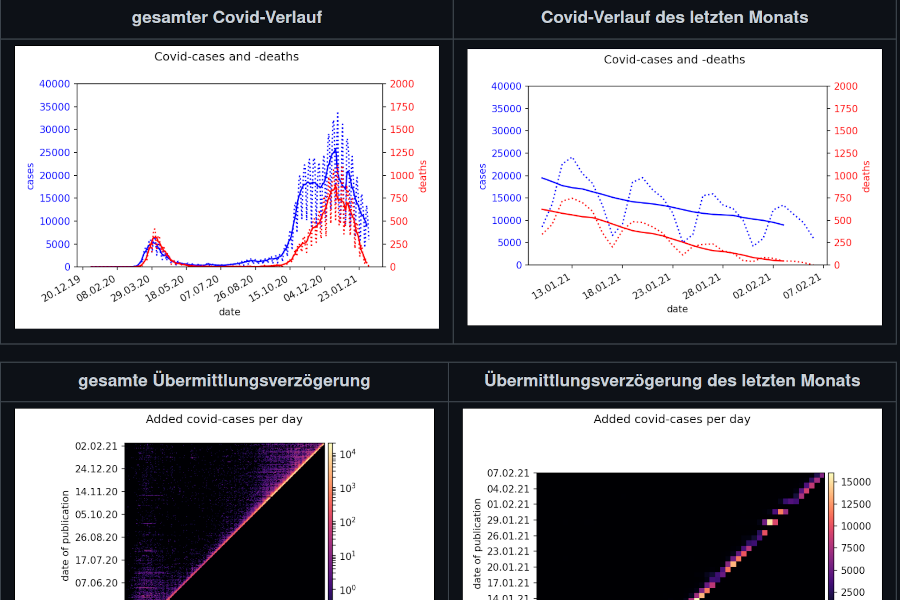
covid data germany
A data repository containing simplified and aggregated COVID-19 data from the Robert Koch Institute (RKI). This project helps researchers and analysts work more efficiently with German COVID-19 statistics.